
Neurodivergent Safe Food
For neurodivergent individuals, food can be a source of deep comfort or intense frustration.
Whether it's sensory sensitivities, selective eating, or the way certain foods affect the brain’s
chemistry, the neurodivergent food experience is about much more than taste.
In this post, we’ll explore what “safe foods” are, why they matter, and how to support a
neurodivergent person’s nutrition and relationship with food.
What Are “Safe Foods” for the Neurodivergent Brain?
Despite significant overlap, safe foods don’t always mean healthy or highly nutritious.
For neurodivergent individuals, safe foods provide comfort, stabilize sensory input, and support
cognitive function.
For this reason, safe foods fall into two categories:
1. Sensory-Safe Foods
Chosen for texture, temperature, taste, smell, or color—these reduce overwhelm and increase
consistency.
2. Cognition-Supportive Foods
Backed by research to reduce brain fog, support focus, or stabilize energy throughout the day.
Note: Just because a food isn't “ideal” doesn’t mean it should be avoided forever. Some
foods simply require more mindful moderation.
The Science Behind Safe Eating
Research suggests that neurodivergent individuals benefit from a diet that’s high in
protein, rich in fruits and vegetables, and low in processed sugars. This matters for three key
reasons:
● Protein helps stabilize the frontal cortex, supporting attention, executive function, and
reducing hyperactivity (especially in those with ADHD and AuDHD).
● Protein-based energy lasts longer—about 4 hours—compared to roughly 2 hours from
carbohydrates.
● Sugar isn’t evil, but moderation is essential. Balancing sugar intake can help regulate
mood swings, energy crashes, and focus issues.
Another vital reason this type of diet matters is the gut-brain connection. The
gastrointestinal tract—often referred to as the body’s “second brain”—plays a significant role in
neurodivergent health. A well-balanced microbiome can:
● Support emotional regulation and stress response
● Reduce brain fog and mental fatigue
● Lower inflammation, which is linked to neurological overstimulation
● Ease symptoms of anxiety, depression, and inattentiveness, which often
co-occur with neurodivergent profiles.
Foods That Support The Neurodivergent Brain
Gut Health:
● Sauerkraut
● Kefir
● Vegetables
● Fruits
● Whole grains.
● Nuts
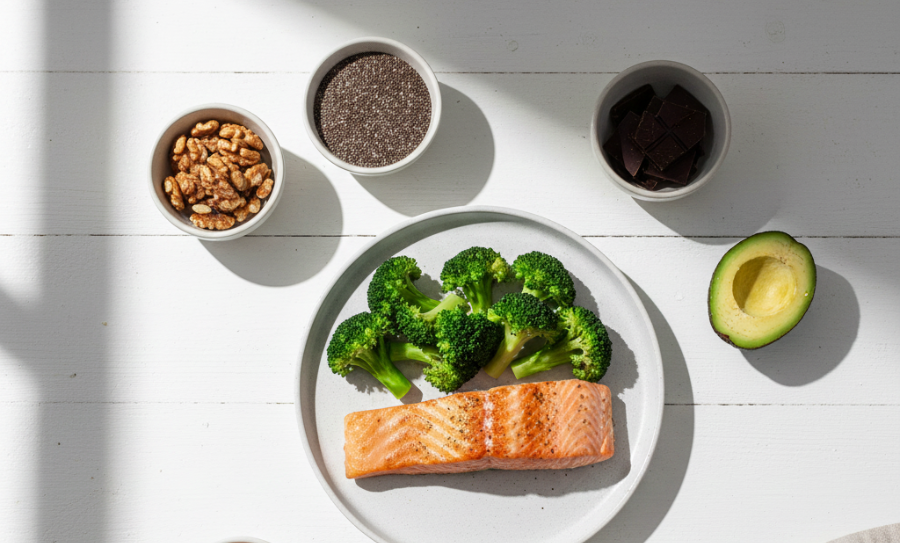
Omega-3s for Brain Support
● Fatty fish such as salmon and sardines
● Flaxseeds
● Chia seeds
● Walnuts
● Soybeans/soybean oil
Vitamins and Supplements:
Due to the nature of the neurodivergent lifestyle, some people may fall victim to certain
deficiencies. Therefore, augmenting with supplements may be necessary depending on the
needs of your neurodivergent loved one. Below is a tableof all essential vitamins with foods that
will help supply them.
Many essential nutrients that support both physical and mental well-being can be easily found in everyday foods at your local grocery store. Vitamin A supports immunity, vision, and brain health and is commonly found in sweet potatoes, spinach, and carrots, while vitamin C helps strengthen the immune system and reduce inflammation, with sources such as citrus fruits, broccoli, and kiwi. Vitamin D plays a key role in bone strength, immune function, and mood regulation and can be obtained from foods like salmon, egg yolks, and fortified milk. Magnesium is especially supportive for sleep quality, nervous system regulation, and anxiety reduction and is present in foods such as almonds, avocado, and dark chocolate. While this list highlights only a few examples, many other nutrient-rich options are readily available; obtaining nutrients through whole foods is always ideal, but if sensory sensitivities or food preferences make this difficult, vitamin supplementation can be a supportive alternative.
Beyond the Science: Personalizing the Plate
Every neurodivergent person has a unique relationship with food. Beyond nutrients and
research, honoring individual needs is key to building sustainable, respectful eating habits. Here
are three key tips to enhancing the neurodivergent experience for your loved one:
Respect Sensory Limits:
Some ND folks have strong aversions to certain textures, smells, or visual elements.
● Example: Crunchy textures or strong odors may be overwhelming, even if the
food is considered “healthy.”
● Solution: Opt for softer textures or milder alternatives that offer similar nutritional
benefits.
Tailor for Preference:
Familiar flavors, temperatures, and textures help ND individuals feel safe and supported.
Tip: Create a list of go-to foods they enjoy and build meals around those favorites. Think of it as
a sensory comfort zone.
Empower, Don’t Control:
Involving neurodivergent people in meal planning and preparation builds autonomy and trust.
Why it matters: Ownership over food choices supports consistency, confidence, and long-term
well-being.
Conclusion
Safe eating for neurodivergent individuals is a daily conversation, not a checklist. With
a mix of science and sensitivity, we can help build sustainable, feel-good food habits—without
shame, pressure, or discomfort.
This blog is a living document. As more research and stories emerge, updates will follow. Until
then—be kind, be curious, and happy eating.





Deja una respuesta